Felix Schwarz · 2 September 2026
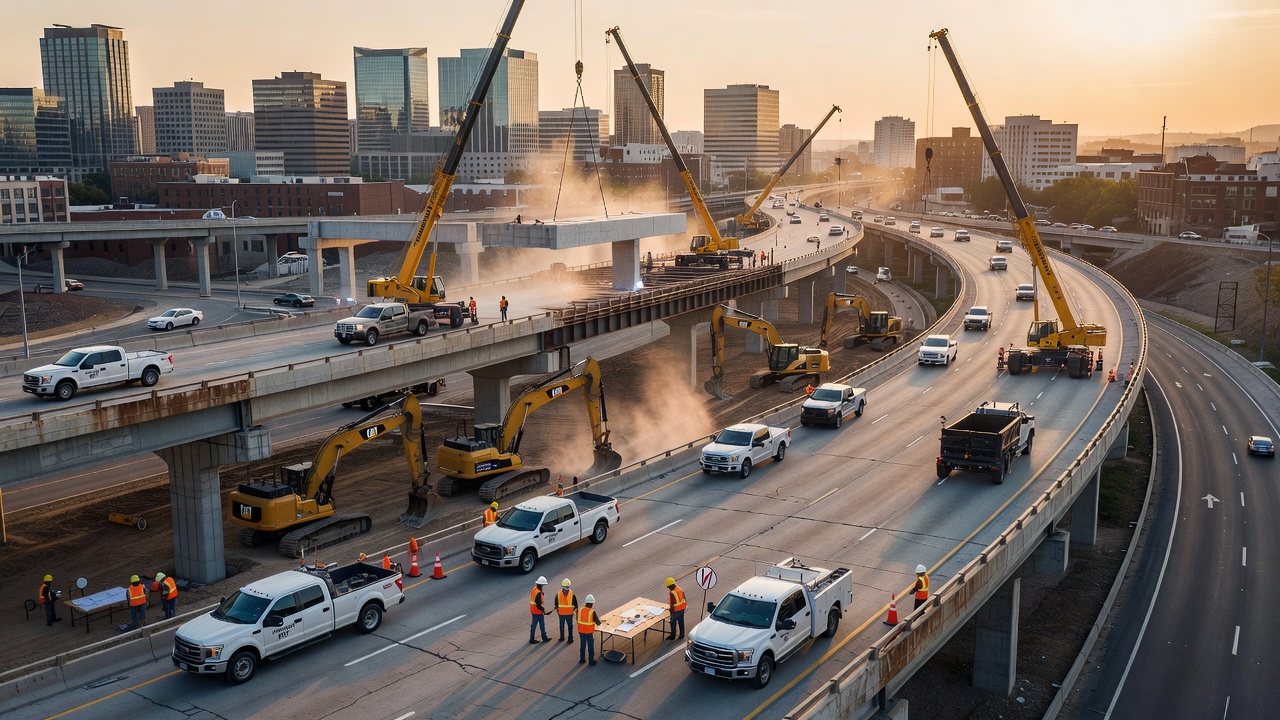
The Bendwood Regional Development Authority has announced a multi-year plan to upgrade key highways throughout the region. The initiative focuses on improving road conditions, enhancing traffic flow, and incorporating modern safety features across major routes including the Bendwood Expressway and Regional Route 42.
Project Scope and Timeline
Upgrades will include full-depth pavement rehabilitation on 45 miles of highway, replacement of aging bridges, and installation of intelligent traffic management systems. Construction is scheduled to begin in early 2025 with phased completion targeted for 2029. Contractors will prioritize night work on high-volume sections to minimize daytime disruptions. Additional features encompass expanded shoulders, new guardrails, and integration of electric vehicle charging stations at rest areas. Environmental assessments have confirmed use of recycled asphalt materials to reduce overall carbon impact.
Officials estimate the total investment at $312 million, sourced from state transportation funds, federal grants, and local development fees. The authority has contracted with three engineering firms to oversee design and execution. Public meetings are planned in each affected corridor to gather input on detour routes during construction phases.
Expected Benefits and Community Impact
Transportation analysts project a 22 percent reduction in average commute times once all segments are complete. Safety improvements are expected to lower accident rates by addressing known high-risk curves and intersections. Local businesses anticipate improved freight access that could support an additional 1,200 jobs in logistics and manufacturing sectors over the next decade.
Residents have expressed support for the plan while requesting clear communication on temporary lane closures. The authority will deploy a real-time project tracking portal and mobile alerts to keep commuters informed. Long-term maintenance schedules will be adjusted to extend the service life of the upgraded infrastructure beyond standard projections.
Regional planners note these highway enhancements align with broader growth strategies, including new commercial zoning near upgraded interchanges. Monitoring stations will track air quality and noise levels throughout the construction period to ensure compliance with environmental standards.